
Why iPhones Remain High-Value Intelligence Targets: Lessons from Apple’s February 2026 Security Patch
“Today’s smartphones are computers and extensions of ourselves. Routinely maintaining and updating them is essential because they hold an unprecedented amount of our personal and professional lives.”
— Matthew D. Ferrante, CDO, CISO, Citanex
Estimated reading time: 8 minutes
62,768 hits
📊Executive Overview
In February 2026, Apple released an emergency security update — iOS 26.3 — to address a critical zero-day vulnerability that the company confirmed was actively exploited in real-world attacks. Apple stated the flaw may have been used in “extremely sophisticated attacks against specific targeted individuals,” language historically associated with nation-state cyber operations, government intelligence activity, and advanced surveillance actors.
This update was issued to remediate the vulnerability and prevent further exploitation. However, the broader lesson extends beyond a single patch. Modern smartphones, including iPhones, are high-value intelligence targets and are routinely targeted by sophisticated adversaries. Failure to promptly apply security updates significantly increases the likelihood of compromise.
Apple Security Release
- Product: iOS 26.3 (also iPadOS 26.3, macOS Tahoe 26.3, watchOS 26.3, tvOS 26.3, visionOS 26.3)
- Release date: February 11, 2026
⚠️Impacts⚠️
An attacker with memory-write capability could execute arbitrary code on the device, potentially enabling spyware deployment, device takeover, data exfiltration, and persistent surveillance.
🎯Significance
This emergency security update addressed actively exploited zero-day vulnerabilities, including the following 🔖CVEs1:
- CVE-2026-20700 – Memory corruption vulnerability allowing arbitrary code execution on targeted devices; confirmed by Apple as actively exploited in sophisticated attacks
- CVE-2026-20678 – Sensitive data access vulnerability
- CVE-2026-20682 – Unauthorized access to deleted Notes data
- CVE-2026-20661 – Information disclosure from locked devices
⚠️Misconception: iPhones Are Immune to Compromise🔒
Apple’s security architecture is among the most advanced in the consumer device market. However, a persistent and dangerous misconception remains- that iPhones are immune from compromise.
They are not.
From a digital forensics and threat intelligence standpoint, iPhones are successfully compromised every year using previously unknown vulnerabilities. These attacks are typically:
- Highly targeted
- Technically sophisticated
- Designed to avoid detection
- Focused on intelligence collection
👨💼Expert Insights💡
No mobile device operating system is invulnerable. Security updates exist precisely because vulnerabilities are continuously discovered—by security researchers, intelligence agencies, and malicious actors alike.
Mobile devices must be understood for what they truly are: powerful computers that require ongoing maintenance, security management, and updates like any other endpoint. They are extensions of their users—containing communications, behavioral patterns, location history, and authentication credentials that often provide a more complete and objective record than human recollection itself.
From a forensic standpoint, even when users believe data has been deleted, erased, or concealed, underlying artifacts, metadata, and system records frequently persist. This reality underscores both the intelligence value of mobile devices to threat actors and the importance of properly securing and maintaining them.
For individuals and organizations lacking advanced technical expertise, mobile device security monitoring and anomaly detection capabilities can provide an additional layer of protection by identifying suspicious or unauthorized activity that would otherwise go unnoticed.
🌍 Real-World Example: Israeli-Developed Pegasus Spyware 🪽
One of the most well-known examples of sophisticated iPhone compromise is , a surveillance platform developed by the Israeli firm NSO Group.
🔖Pegasus2 became globally recognized for its ability to infiltrate iPhones and Android devices using advanced exploit chains, including “zero-click” attacks that required no user interaction.
Once installed, Pegasus could enable operators to:
- Access messages and email
- Monitor calls
- Extract files and photos
- Track location
- Activate microphones and cameras
Pegasus remains a “suite of exploits,” not a fixed version. Pegasus is:
- A modular spyware framework
- Uses multiple zero-day vulnerabilities
- Constantly updated to bypass patches and detection
Capabilities include:
- Microphone Activation
- Camera access
- Message interception
- Password extraction
- Location tracking
Latest operational techniques: zero-click attacks. Pegasus infections often require:
- No user interaction
- No link clicking
- No visible activity
Pegasus was reportedly used by government clients worldwide for intelligence, law enforcement, and investigative purposes, with some documented cases involving surveillance of journalists, activists, and other non-criminal targets. Public reporting indicates that Mexican government entities spent approximately $61 million on Pegasus and related surveillance capabilities, underscoring the significant investment governments have made in mobile exploitation technologies. Corrupt Mexican officials are being accused of
Its existence confirmed a critical reality: even the most secure mobile devices can be compromised when sophisticated actors possess the right vulnerability.
Android version of Pegasus: Chrysaor
Predator spyware (Intellexa Alliance)– Major Pegasus competitor which targets:
iOS and Android | Uses: Zero-click exploits
🕵️ Who Is Exploiting These Vulnerabilities 🎯
Apple did not publicly attribute the February 2026 exploitation to a specific actor. However, based on Apple’s description and industry patterns, several threat actor categories are commonly associated with this level of capability.
Nation-State Intelligence Services
Government cyber units routinely develop or acquire mobile exploits to support intelligence collection and national security objectives.
These operations often target:
- Corporate executives
- Government officials
- High-Net worth &/or High-Profile Individuals
- Legal professionals
- Journalists
- Individuals involved in litigation or sensitive negotiations
Nation-state cyber capabilities are extensively documented, including in analyses such as Citanex’s report on Iran’s Cyber Warfare Structure, which outlines how governments integrate cyber operations into intelligence and strategic initiatives.
Drug Cartels
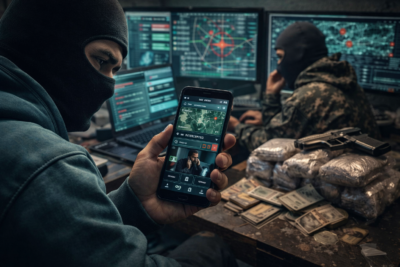
Corruption within certain Mexican government entities has reportedly facilitated drug cartel access to advanced mobile surveillance spyware, according to a senior U.S. DEA official. More than two dozen private surveillance vendors, including Israel-based NSO Group and Italy-based Hacking Team, have sold sophisticated interception and mobile exploitation technologies to Mexican federal and state law enforcement agencies.
Due to limited regulatory controls and systemic corruption risks, officials have assessed that once deployed in-country, there is reduced assurance that such capabilities remain restricted to their authorized government use, increasing the likelihood of diversion, misuse, or unauthorized operational access. The DEA official states, “It’s a free for all…the police who have the technology would just sell it to the cartels.”
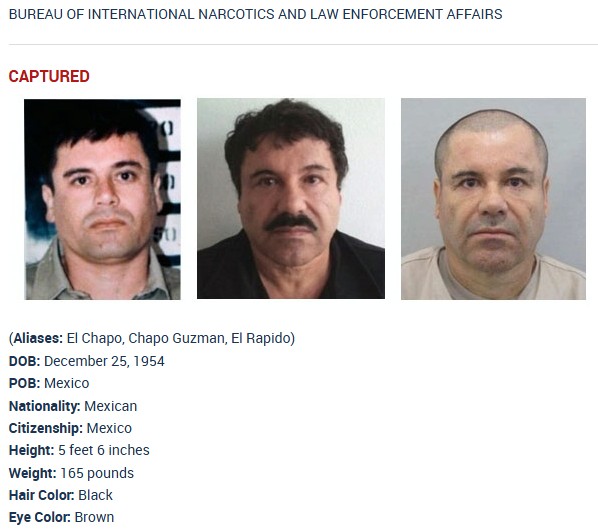
In the US trial of drug capo Joaquin “El Chapo” Guzman Loera, one engineer testified that he bought “interception equipment that allows access to phone calls, the internet, text messages” for the Sinaloa cartel.
Pegasus is not a static versioned tool. It is a continuously evolving surveillance platform with rotating exploit chains targeting current mobile operating systems, including recent iOS and Android versions. Pegasus-class spyware remains actively deployed globally.
🕵️Can Citanex detect Pegasus spyware or similar?
Answer: Yes; we have extensive experience and success in identifying threats and malicious code embedded in systems and data. If you suspect Pegasus or similar technology, contact Citanex Incident Response Emergency Care.
Apple iOS 26 changed forensic logging in ways that:
- Removed artifacts used to detect Pegasus infections
- Significantly complicates forensic attribution
🛡️The Importance of Prompt Updates and Cyber Awareness 👁️
Security updates are a critical component of maintaining device security. Delays in applying updates increase exposure risk.
However, 🔧patching alone is only one component of a broader cyber resilience strategy.
Cybersecurity ultimately depends on a combination of:
- Timely patching
- Risk awareness
- Proper security practices, configurations, and security monitoring
- Preparedness for potential incidents
Citanex has previously written about how overconfidence and assumptions regarding security can create risk in its article on Security Complacency.
📋Practical Cyber Preparedness Measures🧰
In addition to applying security updates promptly, individuals and organizations should adopt proactive cyber readiness measures to reduce exposure to compromise. These include understanding digital risk, securing sensitive information, and maintaining contingency plans in the event of device compromise, loss, or seizure.
Citanex developed the 🎒Digital Survival Kit to help individuals enhance personal cyber preparedness, maintain operational resilience, and reduce risk in real-world threat scenarios.
The video below demonstrates how a mobile device can be covertly compromised using a malicious charging cable:
🌐Broader Strategic Context: Mobile Devices Are a Permanent Target♟️
Mobile device exploitation is no longer theoretical. It is an established and ongoing component of modern cyber operations.
Nation-state actors, intelligence services, and sophisticated threat groups continue to invest heavily in discovering and exploiting mobile vulnerabilities.
Security updates such as Apple’s February 2026 patch represent an essential defense—but also serve as reminders of the persistent and evolving threat environment.
Understanding these risks is the first step in mitigating them.
🧠Conclusions🧭
- Apple’s February 2026 emergency patch addressed a vulnerability that was already being used in highly sophisticated attacks.
- While Apple devices remain among the most secure consumer platforms available, no device is immune from compromise.
- The existence of tools such as Pegasus and the continued discovery of new vulnerabilities underscore a fundamental cybersecurity reality:
- Mobile devices are high-value targets, and maintaining their security requires continuous vigilance, awareness, timely updates, and security and privacy monitoring.
About Citanex
Citanex is a technology, cybersecurity, assessment, and digital forensics firm providing threat intelligence, forensic investigation, and cyber risk advisory services to enterprises, legal teams, executives, for high-net worth individuals and families.
Learn more and secure more at: Citanex.com

Get Smart Home Technology and Cyber: Citanex Seraphim
🔖Footnotes
- Common Vulnerabilities and Exposures (CVE) is a globally recognized identifier assigned to a specific publicly disclosed security vulnerability. For official CVE authority visit: https://cve.mitre.org
↩︎ - Pegasus is a highly advanced spyware developed by the Israeli company NSO Group. It can secretly infect smartphones—iOS and Android—without user interaction, enabling attackers to access messages, calls, cameras, microphones, and location data. Pegasus has been used in targeted surveillance of journalists, activists, and government officials worldwide. Known Pegasus Internal Codename Variants: Hummingbird, Eden, Heaven, Erised. These were Pegasus exploit chain variants used in WhatsApp-based attacks.
↩︎